Adapting to Interruptions: Shifts in Loyalty Rewards for Long-Term Racing Bettors
Felix Flores · Nov 26, 2026

Adapting to Interruptions: Shifts in Loyalty Rewards for Long-Term Racing Bettors
Disruptions in horse racing schedules have prompted betting operators to refine their approaches toward existing customers through targeted retention mechanisms, and data from industry reports shows these adjustments often respond directly to cancellations or postponements caused by health outbreaks, weather events, or regulatory changes. Those who track betting trends note that established account holders receive offers designed to maintain engagement during periods when fewer races occur, and such strategies have developed over multiple seasons rather than emerging suddenly.
Patterns of Racing Interruptions Across Recent Years
Equine influenza outbreaks and fixture abandonments have created measurable gaps in racing calendars, while figures from the International Federation of Horseracing Authorities indicate that several major meetings faced delays or reductions in 2024 and 2025. Observers note operators responded by expanding bonus structures for users who had maintained accounts for extended periods, and these incentives frequently took the form of deposit matches or free bet credits tied to continued activity on available events. Research from academic studies on sports betting patterns reveals that retention efforts intensified whenever overall race volume dropped below seasonal averages, creating a direct link between supply constraints and customer incentives.
Weather-related postponements and track closures further compound these effects, and operators have adjusted their systems to issue personalized rewards based on historical betting volume rather than new customer acquisition. Accounts active for more than twelve months often qualify for tiered bonuses that scale with loyalty metrics, and this evolution reflects responses to reduced fixture lists rather than broader market expansion. Data shows these programs prioritize retention during low-activity windows, and similar patterns appeared in both European and Australian racing circuits.
Development of Retention Mechanisms Over Time
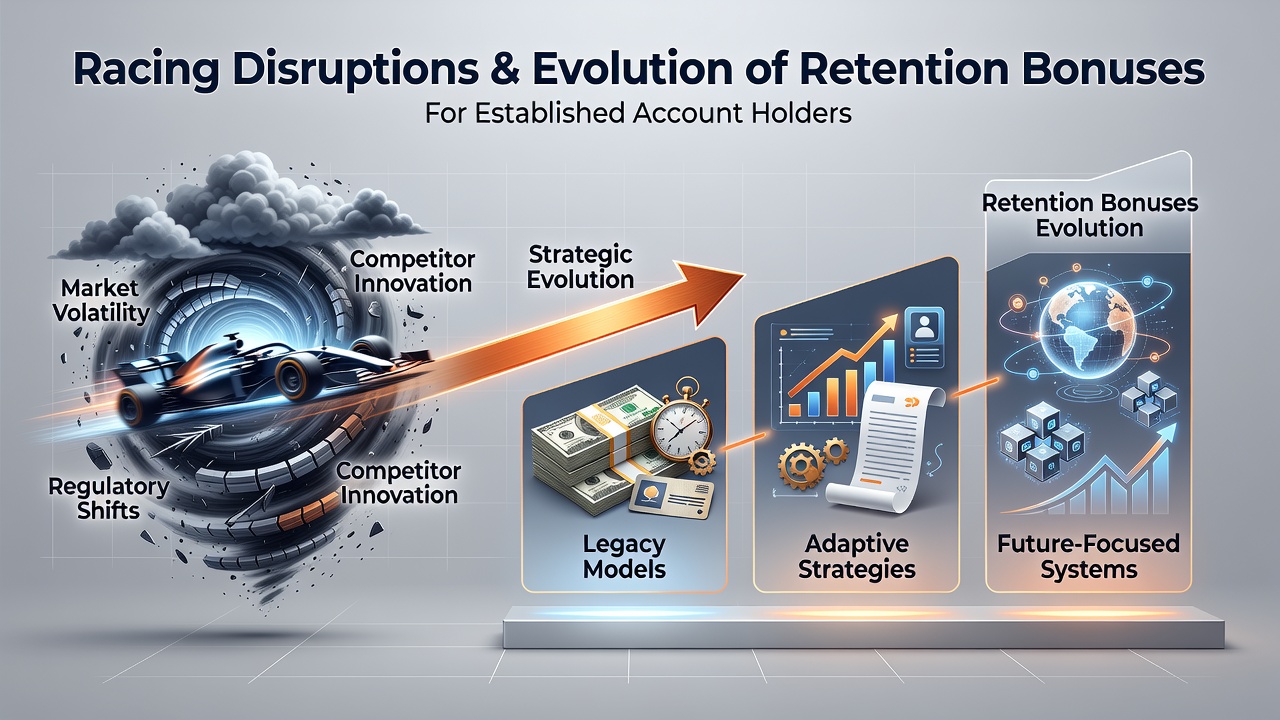
Early retention bonuses focused primarily on deposit returns or cashback percentages, yet operators gradually introduced more segmented offers that account for individual user history and preferred racing types. Those monitoring the sector report that by late 2025 many platforms had shifted toward conditional rewards requiring minimum stakes on remaining fixtures, and this change coincided with prolonged interruptions from veterinary restrictions. Studies conducted by university research groups on gambling behavior demonstrate that loyalty incentives tied to account tenure produce higher retention rates compared with generic promotions, and operators have incorporated these findings into their structures.
November 2026 is projected to bring additional schedule adjustments due to ongoing equine health monitoring programs, and operators have already begun testing enhanced bonus tiers for established users ahead of potential disruptions. Retention offers now frequently include rollover requirements adjusted for the number of available races, and this flexibility allows operators to sustain engagement without overextending promotional budgets. Industry organizations such as the Association of Racing Commissioners International have documented how these adaptations help stabilize revenue streams when traditional race volumes fluctuate.
Regional Variations and Regulatory Influences
Approaches differ across jurisdictions, and operators in Australia have emphasized loyalty points systems that convert into racing-specific credits during disrupted periods, whereas North American platforms tend toward direct bonus credits linked to account age. A report published by the Nevada Gaming Control Board highlights how retention strategies adapted following fixture changes in major racing states, and these adjustments often involve automated eligibility checks based on prior activity levels. Users with consistent engagement histories receive priority notifications about available incentives, and this targeted distribution reduces promotional waste while addressing the impact of fewer races.
Operators have also integrated data analytics to predict periods of reduced racing activity, and such tools enable preemptive bonus deployment that maintains customer activity across platforms. Evidence from multiple seasons shows that retention bonuses evolve in response to both external disruptions and internal performance metrics, and this iterative process continues as new interruptions arise. Accounts established before major outbreaks often benefit from legacy reward structures that newer users do not access, creating distinct tiers within customer bases.
Future Outlook for Established Account Incentives
Projections for late 2026 suggest continued refinement of retention offers as racing authorities implement enhanced biosecurity measures, and operators anticipate further schedule variability. Those analyzing the sector note that bonuses may increasingly incorporate conditional elements based on participation in alternative betting markets during racing gaps, and this broadening helps sustain engagement without relying solely on traditional fixtures. Regulatory frameworks in various regions encourage transparent communication of eligibility criteria, and operators have responded by clarifying terms for long-term users through account dashboards.
Conclusion
Retention bonuses for established account holders have developed in tandem with recurring racing disruptions, and operators continue to refine these mechanisms based on fixture availability and user behavior data. The connection between schedule interruptions and incentive evolution remains evident across multiple markets, and ongoing monitoring of equine health and regulatory developments will likely shape further adjustments in the coming periods.